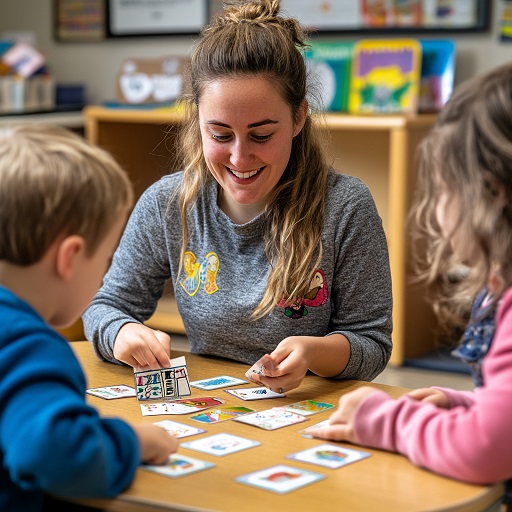
The Early Childhood Assistant (ECA) Diploma Program is approved as a vocational program under the Ontario Career Colleges Act, 2005. This program is designed to prepare students with the essential knowledge, practical skills, and professional competencies required to work effectively as assistants in licensed childcare centres, early learning environments, and home-based childcare settings.
The Early Childhood Assistant (ECA) diploma program provides a comprehensive foundation in early learning principles, child development, health and safety practices, effective communication, and inclusive programming. Through structured classroom instruction combined with two supervised practicum placements, students develop practical skills and professional competencies while working with infants, toddlers, and preschool-aged children in licensed childcare settings.
This program is offered in hybrid and in-person formats.
Upon successful completion of the program, graduates will be able to:
Support the physical, emotional, cognitive, and social development of young children
Assist in the implementation of play-based early learning programs
Maintain safe, healthy, and inclusive learning environments
Observe, document, and report on children’s development
Communicate effectively with families, supervisors, and colleagues
Support children with diverse needs in accordance with best practices and legislation
Apply professional and ethical standards within early learning settings
The Early Childhood Assistant program equips students with the practical and theoretical skills required to succeed in early learning environments. Students gain expertise in:
Child development from infancy through early childhood
Observation, documentation, and reporting
Health, safety, and nutrition practices
Communication and teamwork
Play-based learning strategies
Inclusive and anti-bias education
Supporting children with special needs
Family and community engagement
Two supervised practicums provide on-the-job training in licensed childcare settings—one focused on infants and toddlers, and the other on preschool-aged children—allowing students to apply their knowledge in professional environments and build employability.
The program also provides a foundation for individuals interested in opening or operating home-based childcare services or childcare centres.
Introduces the historical and theoretical foundations of early learning, including play-based approaches, professional conduct, and relevant legislation.
Develops communication, teamwork, collaboration, and reflective practice skills necessary for assistant-level roles in childcare environments.
Explores physical, cognitive, emotional, and social development from birth through early childhood and applies developmentally appropriate support practices.
Focuses on ethical observation, documentation, and reporting methods used in early learning environments.
Covers safe childcare practices, wellness promotion, illness prevention, and legislative requirements including the Child Care and Early Years Act, 2014.
Examines family engagement, cultural awareness, diversity, and inclusive communication.
Introduces social structures, families, multiculturalism, and community influences within Canadian society.
Develops skills to assist in planning and supporting creative, sensory, and play-based activities that promote holistic child development.
Explores early language development and foundational literacy support strategies.
Provides foundational knowledge of human behavior, development, and learning relevant to assistant roles in early learning settings.
Examines positive guidance techniques and supportive behavioral strategies appropriate for early childhood environments.
Focuses on inclusive practices, individualized supports, and responsive learning environments.
Prepares students to assist in supporting children with diverse learning and developmental needs using best practices.
Students complete two supervised field placements in licensed childcare settings, gaining practical assistant-level experience with infants, toddlers, and preschool-aged children.
Graduates of the Early Childhood Assistant program may pursue employment in assistant-level positions within early learning and childcare environments. Potential job titles include:
Early Childhood Assistant
Child Care Assistant
Daycare Assistant
Preschool Assistant
Childcare Support Worker
Early Learning Assistant